Independent podcasts need editorial accountability alongside audience trust
In the South African media landscape, MacG, whose real name is MacGyver Mukwevho, has established himself as a prominent figure through his podcast, Podcast and Chill with MacG. With a career spanning over two decades, MacG has navigated…
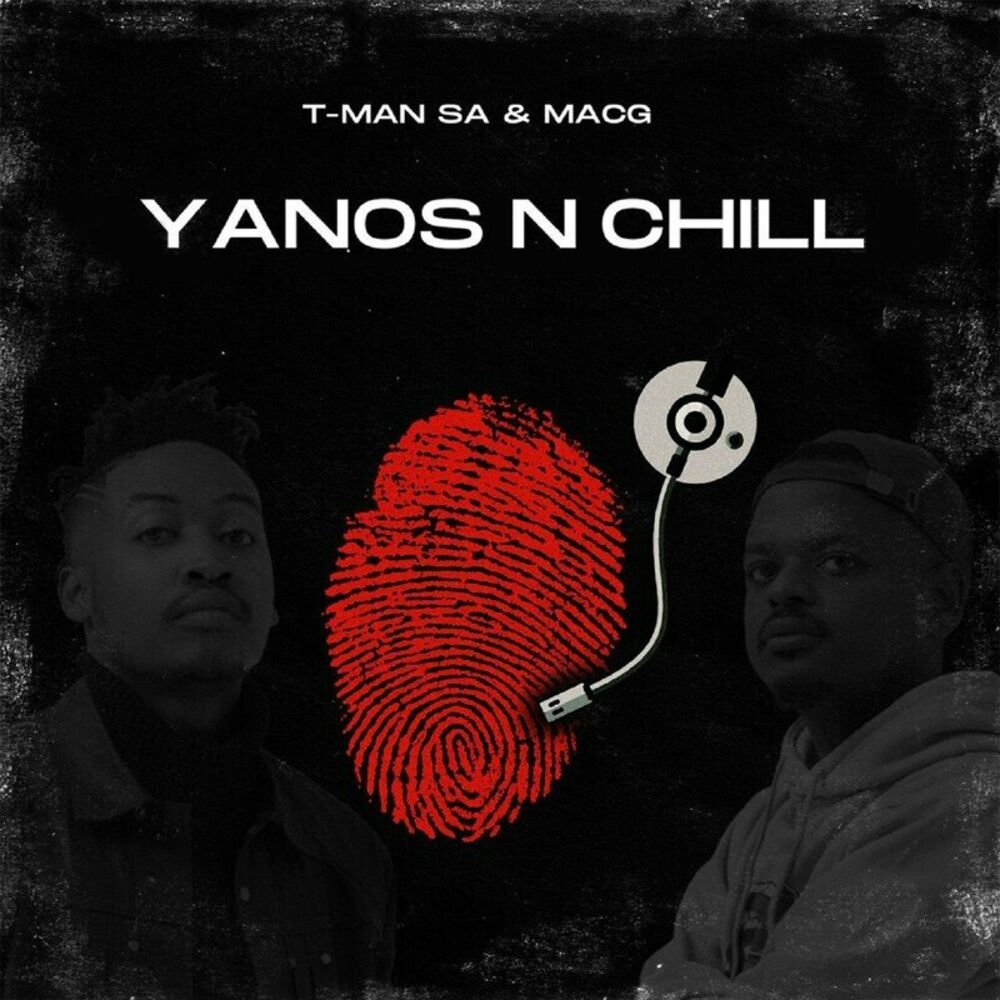
In the South African media landscape, MacG, whose real name is MacGyver Mukwevho, has established himself as a prominent figure through his podcast, Podcast and Chill with MacG. With a career spanning over two decades, MacG has navigated various mediums, including television, radio, and live DJ performances, ultimately finding significant success in podcasting. His show, which features candid interviews with celebrities and public figures, has garnered a substantial following, surpassing 1 million YouTube subscribers and releasing over 500 episodes. This milestone is a testament to the growing popularity of African podcasting and the appetite for raw, honest conversations.
However, MacG's success has also been marred by controversy, including instances of homophobia, transphobia, and misogynistic remarks. These incidents have led to public backlash, loss of sponsors, and even legal action, highlighting the need for editorial accountability in independent podcasts. As MacG's platform continues to grow, it is essential to consider the impact of his words and actions on his audience and the broader community. The trust that his fans, known as the "Chillers," have placed in him comes with a responsibility to ensure that his content is respectful and considerate of all individuals, regardless of their background or identity. This delicate balance between creative freedom and editorial accountability is crucial in maintaining the integrity of independent podcasts like MacG's.
MacG: The cultural debate and its stakes
MacG, whose real name is MacGyver Mukwevho, has become a household name in the South African media landscape, with his podcast, Podcast and Chill with MacG, garnering a massive following and critical acclaim. However, his success has also been marred by controversy, including instances of homophobia, transphobia, and misogynistic remarks. These incidents have sparked a heated debate about the cultural significance of MacG's work and the stakes involved in his brand of entertainment. On one hand, MacG's podcast has been praised for its candid and unapologetic approach to conversations, tackling topics that are often considered taboo or sensitive. His ability to push boundaries and challenge social norms has endeared him to a large and dedicated fan base, known as the "Chillers."
The controversy surrounding MacG's podcast, however, raises important questions about the role of editorial accountability in independent media. While MacG's podcast has been successful in terms of its popularity and reach, it has also been criticized for its lack of sensitivity and respect for marginalized communities. The incident in 2021, where MacG and his co-host Sol Phenduka made transphobic remarks, is a case in point. The statements were widely condemned, and the podcast lost several sponsors as a result. This incident highlights the need for greater editorial oversight and accountability in independent media, particularly when it comes to sensitive and potentially harmful content. It is essential to strike a balance between creative freedom and social responsibility, ensuring that the content created does not perpetuate harm or discrimination.
The cultural debate surrounding MacG's podcast is complex and multifaceted, with different stakeholders having varying opinions on the matter. Some argue that MacG's podcast is a reflection of the societal attitudes and values that exist in South Africa, and that it provides a platform for marginalized voices to be heard. Others, however, contend that the podcast perpetuates harmful stereotypes and reinforces existing power dynamics. The fact that MacG has been able to build a large and dedicated fan base, despite the controversy surrounding his podcast, suggests that there is a significant appetite for his brand of entertainment. However, it also raises questions about the responsibility that comes with having a large platform and the potential impact that MacG's podcast can have on his audience.
The stakes involved in the cultural debate surrounding MacG's podcast are high, with potential consequences for the media landscape in South Africa and beyond. If independent media outlets are not held to high standards of editorial accountability, there is a risk that harmful and discriminatory content will continue to be perpetuated. This can have serious consequences, including the perpetuation of harmful stereotypes and the reinforcement of existing power dynamics. On the other hand, if MacG's podcast is able to navigate the complexities of the cultural debate and find a way to balance creative freedom with social responsibility, it could provide a model for other independent media outlets to follow. Ultimately, the outcome of this debate will depend on the ability of MacG and other stakeholders to engage in a nuanced and respectful conversation about the role of independent media in society, and the responsibility that comes with having a large platform.
MacG: The economics behind the creative work
The economic success of MacG's podcast, Podcast and Chill with MacG, is a significant factor in the South African media landscape, with the show surpassing 1 million YouTube subscribers and releasing over 500 episodes. This success has led to the podcast being broadcast on mainstream TV channels, such as Mzansi Wethu and Mzansi Magic, expanding its reach to a larger audience. The podcast's ability to attract high-profile guests, including celebrities and public figures, has contributed to its popularity and financial success. However, the controversy surrounding MacG's podcast has also had economic implications, with sponsors such as Old Mutual and Amstel dropping their support for the show after MacG and his co-host, Sol Phenduka, made transphobic remarks.
The economic model of MacG's podcast is based on a combination of advertising revenue, sponsorships, and merchandise sales. The show's large following and high engagement rates make it an attractive platform for advertisers, who are willing to pay for access to the podcast's audience. However, the controversy surrounding the podcast has led to a loss of revenue, as some sponsors have withdrawn their support. Additionally, the podcast's removal from DStv platforms has likely resulted in a loss of revenue from broadcasting rights. Despite these challenges, MacG's podcast remains a significant economic player in the South African media landscape, with a large and dedicated audience.
The creative work behind MacG's podcast is also an important factor in its economic success. The show's unique blend of entertainment, humor, and raw honesty has resonated with audiences and helped to establish the podcast as a major player in the South African media landscape. The podcast's ability to attract high-profile guests and facilitate candid conversations has contributed to its popularity and financial success. However, the controversy surrounding the podcast has also raised questions about the creative decisions behind the show and the role of editorial accountability in independent media. The fact that MacG and his co-hosts have been able to build a large and dedicated audience despite the controversy surrounding the podcast is a testament to the show's creative appeal and the loyalty of its fans.
The economic implications of MacG's podcast also extend to the broader media landscape in South Africa. The show's success has helped to establish podcasting as a viable and popular medium in the country, with many other podcasts and media outlets seeking to replicate its success. The controversy surrounding the podcast has also highlighted the importance of editorial accountability and the need for media outlets to consider the potential consequences of their creative decisions. As the media landscape in South Africa continues to evolve, it is likely that MacG's podcast will remain a significant player, with its economic success and creative appeal continuing to shape the industry. The podcast's ability to navigate the challenges and controversies that have arisen will be an important factor in its continued success, and its impact on the broader media landscape will be closely watched by industry observers and fans alike.
MacG: Ownership, access and the gatekeepers
MacG's rise to prominence in the South African media landscape has been marked by a significant amount of controversy, with many of his statements and actions sparking heated debates about the role of editorial accountability in independent media. The fact that MacG has been able to build a large and dedicated following, known as the "Chillers," despite facing numerous backlash and criticism, raises important questions about the relationship between ownership, access, and the gatekeepers of media content. In the case of MacG's podcast, Podcast and Chill with MacG, the lines between entertainment and journalism are often blurred, making it difficult to determine what constitutes acceptable content and what does not.
The issue of ownership and access is particularly relevant in the context of MacG's podcast, as it is an independent production that is not subject to the same level of editorial oversight as traditional media outlets. While this independence has allowed MacG to push boundaries and tackle topics that might be considered taboo or off-limits in more mainstream media, it also raises concerns about the lack of accountability and the potential for harm or offense. The fact that MacG has been able to build a large and dedicated following, despite facing numerous backlash and criticism, suggests that there is a significant appetite for his brand of raw and unfiltered content, but it also highlights the need for greater editorial accountability and oversight.
The role of gatekeepers in the media landscape is also an important factor in the debate surrounding MacG's podcast. In traditional media outlets, editors and producers play a crucial role in shaping the content and ensuring that it meets certain standards of quality and accuracy. However, in the case of independent podcasts like MacG's, the lack of editorial oversight can make it difficult to determine what constitutes acceptable content and what does not. This can lead to a situation where controversial or offensive content is able to reach a large audience without being subject to the same level of scrutiny or criticism as it would in a traditional media outlet. The fact that MacG has been able to build a large and dedicated following, despite facing numerous backlash and criticism, suggests that there is a need for greater accountability and oversight in the independent media landscape.
The controversy surrounding MacG's podcast also highlights the complex and often fraught relationship between creators, audiences, and gatekeepers in the media landscape. On the one hand, MacG's success is a testament to the power of independent media and the ability of creators to connect directly with their audiences. However, the lack of editorial accountability and oversight has also led to numerous instances of controversy and backlash, highlighting the need for greater scrutiny and criticism of media content. Ultimately, the debate surrounding MacG's podcast raises important questions about the role of ownership, access, and gatekeepers in the media landscape, and highlights the need for greater accountability and oversight in the independent media landscape. By examining the complex and often fraught relationship between creators, audiences, and gatekeepers, it is possible to gain a deeper understanding of the challenges and opportunities facing the media landscape in South Africa, and to identify potential solutions to the problems posed by controversial or offensive content.
MacG: What younger audiences and creators can change
As the media landscape in South Africa continues to evolve, it is essential for younger audiences and creators to recognize the significance of editorial accountability in independent media. MacG's podcast, Podcast and Chill with MacG, has been at the center of controversy, with instances of homophobia, transphobia, and misogynistic remarks sparking widespread condemnation. While MacG has built a large and dedicated fan base, known as the "Chillers," his success has also raised important questions about the role of editorial accountability in ensuring that content is respectful and inclusive. Younger audiences and creators can play a crucial role in promoting a culture of accountability and respect, by supporting media outlets and creators that prioritize editorial integrity and by speaking out against content that is hateful or discriminatory.
The impact of MacG's podcast on the media landscape in South Africa cannot be overstated, with the show's large following and significant advertising revenue making it a major player in the industry. However, the controversy surrounding the podcast has also highlighted the need for greater editorial accountability and oversight. Younger audiences and creators can help to drive this change by demanding more from the media they consume and by supporting creators who prioritize respect and inclusivity. This can involve engaging in critical discussions about the media they consume, supporting media outlets and creators that prioritize editorial integrity, and using their platforms to speak out against content that is hateful or discriminatory. By taking these steps, younger audiences and creators can help to promote a more respectful and inclusive media landscape in South Africa.
The relationship between creators, audiences, and gatekeepers is complex and multifaceted, with each playing a critical role in shaping the media landscape. In the case of MacG's podcast, the show's success has been driven in part by its ability to connect with a large and dedicated fan base. However, the controversy surrounding the podcast has also highlighted the need for greater editorial accountability and oversight, with many calling for greater regulation and oversight of independent media outlets. Younger audiences and creators can help to navigate this complex relationship by prioritizing respect and inclusivity, and by demanding more from the media they consume. This can involve engaging in critical discussions about the media they consume, supporting media outlets and creators that prioritize editorial integrity, and using their platforms to speak out against content that is hateful or discriminatory.
The future of the media landscape in South Africa will be shaped in part by the actions of younger audiences and creators, who have the power to demand more from the media they consume and to support creators who prioritize respect and inclusivity. As the media landscape continues to evolve, it is essential for younger audiences and creators to recognize the significance of editorial accountability and to take steps to promote a more respectful and inclusive media culture. This can involve supporting media outlets and creators that prioritize editorial integrity, engaging in critical discussions about the media they consume, and using their platforms to speak out against content that is hateful or discriminatory. By taking these steps, younger audiences and creators can help to shape a more respectful and inclusive media landscape in South Africa, one that prioritizes the values of respect, inclusivity, and accountability.
MacG: A practical path toward a stronger industry
To create a stronger and more responsible industry, it is essential to establish clear guidelines and standards for independent podcasts, such as MacG's Podcast and Chill with MacG. This can be achieved by implementing a system of editorial accountability, where podcasters are held to certain standards of conduct and content. This would not only help to prevent instances of hate speech, homophobia, and misogyny but also promote a culture of respect and inclusivity. Furthermore, it would provide a framework for addressing complaints and controversies, ensuring that podcasters are held accountable for their actions and words.
The development of such guidelines and standards would require collaboration between podcasters, media organizations, and regulatory bodies. It would involve establishing clear codes of conduct, providing training and resources for podcasters, and creating mechanisms for addressing complaints and controversies. This would not only help to promote a culture of responsibility and respect but also provide a framework for supporting and empowering podcasters to create high-quality content that is both entertaining and informative. Additionally, it would help to build trust between podcasters, their audiences, and the broader media landscape, which is essential for the long-term success and sustainability of the industry.
In South Africa, where MacG's podcast is based, there are already existing regulatory frameworks and bodies that could play a role in promoting editorial accountability in independent podcasts. For example, the Broadcasting Complaints Commission of South Africa (BCCSA) has a mandate to regulate and monitor broadcasting content, including podcasts. However, the commission's powers and jurisdiction may need to be expanded to effectively address the unique challenges and complexities of the podcasting industry. Moreover, media organizations and industry associations could also play a critical role in promoting editorial accountability, by establishing their own codes of conduct and standards, and providing training and resources for podcasters.
Ultimately, the creation of a stronger and more responsible industry will require a collective effort and commitment from all stakeholders, including podcasters, media organizations, regulatory bodies, and audiences. It will involve ongoing dialogue, collaboration, and innovation, as well as a willingness to adapt and evolve in response to changing circumstances and challenges. By working together, it is possible to create an industry that is not only entertaining and informative but also respectful, inclusive, and accountable. This would not only benefit podcasters and their audiences but also contribute to a more vibrant and diverse media landscape, where a wide range of voices and perspectives are represented and valued.