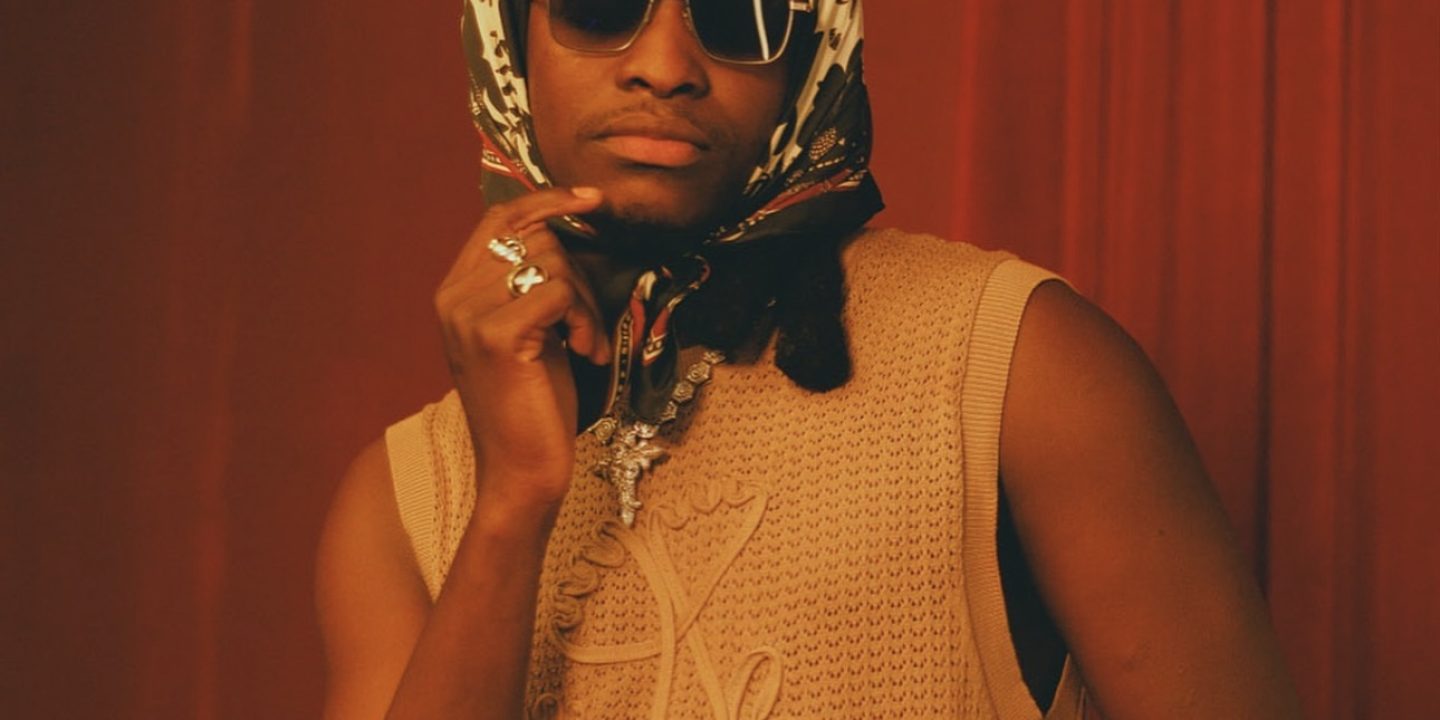
Black Sherif: storytelling, melodic tension and Ghanaian musical identity
Black Sherif, a Ghanaian singer, rapper, and fashion model, has been making waves in the music industry with his unique blend of highlife, reggae, and hip-hop. His music, which often incorporates elements of UK drill and road rap, has…

Black Sherif, a Ghanaian singer, rapper, and fashion model, has been making waves in the music industry with his unique blend of highlife, reggae, and hip-hop. His music, which often incorporates elements of UK drill and road rap, has resonated with listeners across the globe. With his breakthrough single "Kwaku the Traveller" reaching number one on the Ghanaian and Nigerian Apple Music charts, Black Sherif has established himself as a rising star in the African music scene. His ability to craft compelling stories through his lyrics, often delivered in his native Twi dialect, has set him apart from his peers and earned him a devoted fan base.
Black Sherif's artistic identity is deeply rooted in his Ghanaian heritage, and his music reflects the cultural diversity and richness of his homeland. His influences, which range from Ghanaian artists like Mugeez and Sarkodie to international acts like Kanye West and Stormzy, are evident in his eclectic sound. With his debut album "The Villain I Never Was" and subsequent releases, Black Sherif has demonstrated his versatility and creativity as a songwriter and performer. As he continues to gain recognition and acclaim, both locally and internationally, it is clear that Black Sherif is a talented and innovative artist who is redefining the boundaries of Ghanaian music and leaving an indelible mark on the industry.
Black Sherif: Cultural context and creative identity
Black Sherif's rise to prominence in the Ghanaian music scene can be attributed to his distinctive sound, which blends elements of highlife, reggae, and hip-hop. His music often incorporates UK drill, a subgenre of drill music and road rap, which originated in Brixton, London, and is characterized by its dark and gritty tone. This blend of styles has enabled Black Sherif to carve out a unique niche for himself in the Ghanaian music industry, setting him apart from his contemporaries. Furthermore, his use of the Akan dialect, Twi, in his lyrics adds a layer of authenticity and cultural depth to his music, making it more relatable to his Ghanaian audience.
The cultural context in which Black Sherif's music is situated is also significant. Growing up in Konongo-Zongo, in the Ashanti Region of Ghana, Black Sherif was exposed to a diverse range of musical influences from an early age. His nomadic lifestyle, which involved living with his aunt and other extended family members, further broadened his cultural horizons and influenced his artistic development. This eclectic mix of cultural experiences is reflected in his music, which often explores themes of identity, community, and social commentary. By drawing on his Ghanaian heritage and incorporating elements of international styles, Black Sherif has created a unique sound that is both rooted in tradition and forward-looking.
Black Sherif's creative identity is also shaped by his musical influences, which include a range of international and Ghanaian artists. He has cited rappers such as Kanye West, Travis Scott, and Stormzy as inspirations, as well as Ghanaian artists like Mugeez and Sarkodie. This diverse range of influences has enabled Black Sherif to develop a distinctive sound that is both innovative and respectful of his musical heritage. Moreover, his collaborations with other artists, such as Burna Boy and Smallgod, have further expanded his musical horizons and introduced him to new audiences. By engaging with a range of musical styles and collaborating with artists from different backgrounds, Black Sherif has been able to push the boundaries of Ghanaian music and create a new sound that is both authentic and experimental.
The way in which Black Sherif's music reflects his Ghanaian identity is also noteworthy. His use of Twi in his lyrics, for example, is a deliberate attempt to promote his native language and culture. Additionally, his music often incorporates traditional Ghanaian instruments and rhythms, which adds a layer of cultural depth and complexity to his sound. By celebrating his Ghanaian heritage and incorporating elements of traditional music into his sound, Black Sherif is helping to promote Ghanaian culture and identity on a global stage. This is significant not only for Ghanaian music but also for the broader African music scene, which is increasingly gaining recognition and acclaim worldwide. Through his music, Black Sherif is playing a key role in promoting African cultural identity and creativity, and his unique sound is helping to shape the future of Ghanaian music.
Black Sherif: Production, form and standout choices
Black Sherif's music production is characterized by a blend of highlife, reggae, and hip-hop, with a specific focus on UK drill, a subgenre of drill music and road rap. This unique sound is reflective of his Ghanaian heritage and his exposure to multiple influences and cultures from a young age. The use of Twi, an Akan dialect, in his lyrics adds a layer of authenticity and cultural depth to his music, setting him apart from other artists in the industry. His ability to seamlessly blend different styles and genres has resulted in a distinctive sound that is both rooted in his cultural identity and universally relatable.
The form and structure of Black Sherif's music are also noteworthy. His songs often feature complex rhyme schemes and lyrical dexterity, showcasing his skill as a rapper and songwriter. The use of melodic tension and release in his music adds an extra layer of emotional depth, making his songs more engaging and impactful. The production quality of his music is also high, with crisp, clear instrumentation and a keen attention to detail. This is evident in songs like "Kwaku the Traveller," which features a catchy, upbeat melody and a driving rhythm that propels the song forward. The way in which Black Sherif balances different elements in his music, from the lyrics to the production, is a testament to his skill and artistry as a musician.
Black Sherif's standout choices in his music are also reflective of his artistic vision and creative identity. His decision to incorporate Twi into his lyrics, for example, is a deliberate choice that reflects his commitment to his cultural heritage. Similarly, his use of UK drill and road rap influences in his music is a nod to his exposure to international styles and genres. The way in which he blends these different influences to create a unique sound is a testament to his innovative spirit and creative risk-taking. Songs like "Second Sermon" and "Soja" showcase his ability to experiment with different styles and genres, resulting in a distinctive sound that is both innovative and authentic.
The way in which Black Sherif's music reflects his personal experiences and emotions is also significant. His songs often feature lyrics that are deeply personal and introspective, offering a glimpse into his thoughts and feelings. The use of storytelling in his music adds an extra layer of depth and complexity, making his songs more relatable and engaging. The production quality of his music is also noteworthy, with a keen attention to detail and a focus on creating a immersive listening experience. The way in which Black Sherif balances different elements in his music, from the lyrics to the production, is a testament to his skill and artistry as a musician. Overall, Black Sherif's music is a reflection of his unique cultural identity, creative vision, and artistic skill, making him a standout artist in the music industry.
Black Sherif: How audiences encounter and interpret the work
The way Black Sherif's audience encounters and interprets his work is a complex and multifaceted process, reflecting both the cultural context in which his music is situated and the unique qualities of his artistic identity. As a Ghanaian singer, rapper, and fashion model, Black Sherif's music is deeply rooted in his heritage, and his use of Twi in his lyrics is a deliberate choice that reflects his connection to his cultural roots. At the same time, his music also reflects a range of international influences, from UK drill to reggae and hip-hop, which gives his sound a distinctive and innovative edge. As a result, Black Sherif's audience is able to engage with his music on multiple levels, appreciating both its cultural specificity and its global appeal.
Black Sherif's music is also characterized by a strong narrative focus, with many of his songs featuring storytelling and lyrical dexterity. This emphasis on storytelling allows his audience to connect with his music on a deeper level, as they are able to follow the narratives and themes that he explores in his songs. At the same time, the complexity and nuance of Black Sherif's lyrics also reward close listening and interpretation, as his audience is able to unpack the multiple layers of meaning and significance that are embedded in his music. As a result, Black Sherif's audience is able to engage with his music in a highly active and participatory way, using their own experiences and perspectives to inform their understanding of his songs.
The emotional resonance of Black Sherif's music is another key factor in the way his audience encounters and interprets his work. His songs often feature lyrics that are deeply personal and introspective, reflecting his own experiences and emotions as a young Ghanaian artist. At the same time, his music also has a strong social and cultural relevance, addressing themes and issues that are of concern to his audience. As a result, Black Sherif's audience is able to connect with his music on a deeply emotional level, feeling a sense of empathy and solidarity with the artist and his vision. This emotional resonance is also reflected in the way Black Sherif's audience responds to his music, with many fans using social media and other platforms to share their own stories and experiences in relation to his songs.
The live performances and concerts that Black Sherif gives are also an important part of the way his audience encounters and interprets his work. His annual Zaama Disco concert, for example, is a highly anticipated event that brings together fans from all over Ghana and beyond. At these concerts, Black Sherif is able to connect with his audience in a direct and immediate way, performing his songs and interacting with his fans in a highly energetic and dynamic environment. The sense of community and shared experience that is created at these concerts is also an important factor in the way Black Sherif's audience encounters and interprets his work, as fans are able to come together and celebrate their love of his music in a collective and festive way. As a result, Black Sherif's live performances are a key part of his artistic vision and creative identity, allowing him to connect with his audience and share his music in a highly personal and immersive way.
Black Sherif: The wider creative landscape
Black Sherif's impact on the Ghanaian music scene is a testament to the power of innovative storytelling and melodic tension in shaping the country's musical identity. His unique blend of highlife, reggae, and hip-hop, infused with elements of UK drill, has not only resonated with local audiences but has also garnered international attention. The fact that he has collaborated with artists from diverse backgrounds, such as Burna Boy, Stormzy, and Davido, highlights the transcendent nature of his music. This cross-cultural exchange has enabled Black Sherif to tap into a broader creative landscape, one that is characterized by a rich diversity of styles and influences.
The wider creative landscape that Black Sherif inhabits is marked by a dynamic interplay between traditional and modern elements. His use of Twi, an Akan dialect, in his lyrics is a deliberate nod to his Ghanaian heritage, while his incorporation of UK drill and hip-hop reflects his engagement with global musical trends. This blending of styles has resulted in a distinctive sound that is both rooted in local culture and cosmopolitan in its outlook. Furthermore, Black Sherif's music often grapples with themes of identity, morality, and social commentary, which are relevant to a broad audience beyond Ghana's borders. His ability to craft narratives that are both personal and universal has helped to establish him as a leading voice in the African music scene.
Black Sherif's rise to prominence has also been facilitated by the growing recognition of African music as a major force in global popular culture. The success of artists like Wizkid, Tiwa Savage, and Davido has paved the way for a new generation of African musicians, including Black Sherif, to gain international recognition. The fact that he has been nominated for awards like the BET Awards and has performed at festivals like the Wireless Festival and Afronation Miami underscores his growing reputation as a global artist. Moreover, his partnership with brands like ellesse and his feature on Davido's album Oriadé demonstrate the commercial viability and artistic credibility of his music.
The creative landscape that Black Sherif inhabits is also marked by a strong sense of community and collaboration. His work with other artists, producers, and musicians has resulted in a vibrant and dynamic musical ecosystem that is characterized by a spirit of experimentation and innovation. The fact that he has been named "Up Now" by Audiomack and has won awards like the Best Hip Hop award at the Soundcity MVP Awards highlights the recognition he has received from his peers and the music industry at large. As Black Sherif continues to push the boundaries of his music and artistic vision, it is likely that he will remain a major force in shaping the wider creative landscape of Ghanaian and African music. His unique blend of storytelling, melodic tension, and cultural identity has already made a significant impact, and his future projects are eagerly anticipated by fans and critics alike.
Black Sherif: The critical verdict and lasting questions
The critical verdict on Black Sherif's music is that it represents a significant departure from the traditional sounds of Ghanaian highlife, while still maintaining a strong connection to his cultural heritage. His ability to blend different styles and genres, such as UK drill and road rap, with traditional Ghanaian music has resulted in a unique sound that is both innovative and authentic. The use of Twi in his lyrics adds an extra layer of depth and meaning to his songs, making them more relatable and accessible to his Ghanaian audience. Furthermore, his storytelling ability and lyrical dexterity have been praised for their complexity and nuance, showcasing his skill as a songwriter and performer.
One of the lasting questions surrounding Black Sherif's music is how he will continue to evolve and grow as an artist, while still maintaining his connection to his Ghanaian roots. His rise to prominence has been rapid, and it will be interesting to see how he navigates the challenges of fame and creative pressure. Additionally, the fact that he has been featured on tracks by other prominent African artists, such as Davido, suggests that he is being recognized as a major talent in the African music scene. This raises questions about the potential for collaboration and cross-pollination between different African musical traditions, and how Black Sherif's music might contribute to this process.
The fact that Black Sherif's music has resonated with audiences both in Ghana and internationally also raises questions about the global appeal of African music. His ability to blend traditional and modern elements has resulted in a sound that is both uniquely African and universally relatable. This suggests that there is a growing appetite for African music globally, and that artists like Black Sherif are helping to pave the way for a new generation of African musicians to reach a wider audience. Furthermore, the fact that he has been nominated for awards such as the BET Awards suggests that he is being recognized as a major talent in the global music industry, and that his music is being taken seriously by critics and audiences alike.
The legacy of Black Sherif's music will likely be shaped by his ability to continue pushing the boundaries of what is possible in Ghanaian music, while still maintaining his connection to his cultural heritage. His innovative approach to storytelling and melodic tension has already had a significant impact on the Ghanaian music scene, and it will be interesting to see how his music continues to evolve and influence other artists in the future. Additionally, the fact that he is using his platform to promote Ghanaian culture and language suggests that he is committed to using his music as a way to celebrate and promote his heritage, rather than simply seeking to appeal to a wider audience. This commitment to cultural authenticity and innovation will likely be a key factor in shaping the lasting impact of his music, and cementing his reputation as one of the most exciting and innovative young artists in the African music scene.