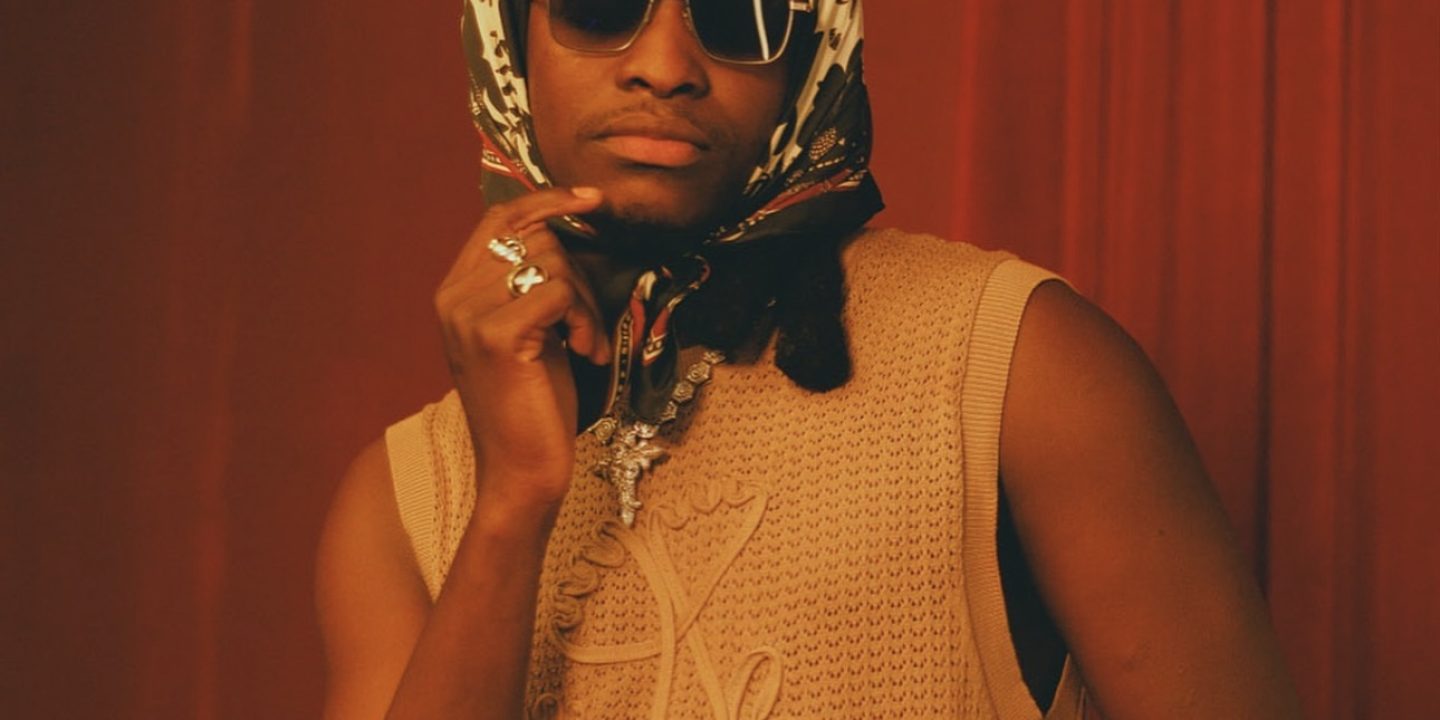
Black Sherif's Storytelling Blueprint: A Deep-Dive Review of Highlife-Drill Fusion in Ghanaian Music
The notion of a 'storytelling blueprint' in the context of Black Sherif's music, particularly his fusion of highlife and drill, presents an intriguing area of exploration within the realm of Ghanaian music. This concept, as implied by the…

The notion of a 'storytelling blueprint' in the context of Black Sherif's music, particularly his fusion of highlife and drill, presents an intriguing area of exploration within the realm of Ghanaian music. This concept, as implied by the title, suggests a structured approach or a set of principles guiding the narrative and musical elements in his work. However, it's essential to approach this idea with a critical eye, recognizing that the existence of such a blueprint is an assertion that requires examination rather than acceptance as fact. The fusion of highlife, a genre deeply rooted in Ghanaian culture, with drill, a style that has gained popularity globally, including in Africa, raises questions about cultural exchange, musical evolution, and the role of artists in shaping genre boundaries.
The cultural and musical landscape of Ghana, as well as other African countries such as Nigeria, South Africa, Kenya, Zambia, and Zimbabwe, is characterized by a rich diversity of genres and styles, each with its own history and significance. The blending of traditional and contemporary styles is not unique to Ghana or Black Sherif, as many African artists are experimenting with fusions that reflect both local heritage and global influences. This article will delve into the highlife-drill fusion in Ghanaian music, using Black Sherif's work as a case study, to understand the cultural, musical, and industrial contexts that facilitate such innovations and what they might signify for the future of African music.
Introduction to Highlife and Drill
Highlife music has a long and storied history in Ghana, dating back to the early 20th century. It is characterized by its unique blend of traditional Akan music, jazz, and other foreign influences, making it a quintessential example of Ghanaian cultural expression. On the other hand, drill music, originating from Chicago and later gaining popularity in the UK, has become a global phenomenon, with its dark, often introspective sound resonating with youth worldwide. The fusion of these two genres, as seen in Black Sherif's music, represents an interesting intersection of traditional and contemporary, local and global.
The appeal of highlife-drill fusion can be attributed to its ability to evoke a sense of nostalgia and modernity simultaneously. Highlife's complex rhythms and melodies, combined with drill's heavy, trap-influenced beats and often introspective lyrics, create a sound that is both deeply rooted in Ghanaian culture and universally relatable. This blend is not merely a musical experiment but also a reflection of the evolving tastes and preferences of the Ghanaian and broader African music audience.
Musical fusions are not new to African music; genres like afrobeats, which have gained international recognition, are themselves products of cultural exchange and musical innovation. However, the specific combination of highlife and drill offers a unique perspective on how traditional genres can be reimagined and revitalized through contemporary influences. This phenomenon is not isolated to Ghana, as similar fusions can be observed in other African countries, reflecting a broader trend of musical experimentation and genre-bending.
The success of such fusions also depends on the industrial and technological contexts that facilitate music production, distribution, and consumption. The rise of digital platforms and social media has democratized music, allowing artists to reach global audiences without the need for traditional industry gatekeepers. This shift has enabled the rapid dissemination of new sounds and styles, including highlife-drill fusion, contributing to its growing popularity and influence.
Cultural Significance of Musical Fusion
The cultural significance of musical fusion, particularly in the African context, lies in its ability to reflect and shape societal values, traditions, and identities. Highlife music, for instance, has played a crucial role in Ghanaian cultural life, serving as a medium for social commentary, political critique, and cultural expression. The incorporation of drill elements into highlife not only updates the genre but also introduces new themes and perspectives, reflecting the changing experiences and aspirations of younger generations.
Musical fusion can also be seen as a form of cultural exchange, where different traditions and influences meet and interact. This exchange is not limited to the musical sphere but also reflects broader social and economic trends, such as globalization and urbanization. In the context of African music, fusion genres like highlife-drill represent a dynamic and evolving cultural landscape, where local identities are negotiated and redefined in relation to global currents.
The reception and interpretation of musical fusions vary across different cultural and national contexts. In Ghana, the blend of highlife and drill may be seen as a natural evolution of traditional music, while in other countries, such as Nigeria or South Africa, similar fusions might be perceived differently, reflecting local musical histories and preferences. This diversity in reception underscores the complexity of cultural exchange and the importance of considering the specific contexts in which musical innovations emerge and are received.
Furthermore, the cultural significance of highlife-drill fusion extends beyond the music itself to the broader social and economic contexts in which it is produced and consumed. The success of artists like Black Sherif can inspire new generations of musicians, contributing to the vitality and diversity of African music. Additionally, the global recognition of such fusions can promote cultural understanding and exchange, highlighting the richness and creativity of African musical traditions.
Industry and Technology
The music industry in Africa, including Ghana, has undergone significant transformations in recent years, driven by technological advancements and changes in consumer behavior. The rise of streaming platforms, social media, and digital distribution channels has opened up new opportunities for artists to produce, distribute, and promote their music, bypassing traditional industry barriers. This shift has been particularly beneficial for artists experimenting with new sounds and styles, such as highlife-drill fusion.
Technological platforms have also enabled more direct interaction between artists and their audiences, facilitating feedback, collaboration, and the dissemination of new musical trends. In the context of highlife-drill fusion, social media and streaming platforms have played a crucial role in promoting the genre, allowing artists to share their music, engage with fans, and build a community around their work. This direct connection has been instrumental in the genre's growing popularity and influence.
The role of industry structures, such as record labels, production companies, and event organizers, in supporting musical innovation is also noteworthy. While traditional industry models may prioritize established genres and styles, the success of highlife-drill fusion and similar experiments suggests a growing recognition of the value of musical diversity and innovation. This recognition can lead to more investment in emerging genres and artists, further enriching the African music scene.
Moreover, the intersection of technology and industry in African music highlights the importance of infrastructure and policy in supporting creative industries. Governments, private sector entities, and international organizations can play a crucial role in developing the necessary infrastructure, such as recording studios, performance venues, and training programs, to foster musical innovation and entrepreneurship. By doing so, they can contribute to the growth of a vibrant and sustainable music industry that benefits both artists and communities.
Comparative Perspectives
A comparative analysis of musical fusions across different African countries offers valuable insights into the diverse ways in which traditional and contemporary styles are being reimagined. In Nigeria, for example, the fusion of traditional Yoruba music with contemporary genres like afrobeats has given rise to unique sounds that reflect the country's cultural and linguistic diversity. Similarly, in South Africa, the blend of traditional genres like maskandi with modern styles has resulted in innovative fusions that speak to the country's complex history and identity.
The comparison between Ghana's highlife-drill fusion and other African countries' musical experiments also underscores the significance of local contexts and traditions in shaping musical innovation. While globalization and digital connectivity have facilitated the exchange of musical ideas and influences, the specific cultural, historical, and social contexts of each country play a crucial role in determining the nature and direction of musical fusions. This diversity highlights the richness and creativity of African music, as well as the importance of considering local perspectives and traditions in any analysis of musical innovation.
Furthermore, the study of musical fusions in Africa can benefit from interdisciplinary approaches that combine insights from musicology, anthropology, sociology, and cultural studies. By examining the social, cultural, and economic factors that contribute to musical innovation, researchers can gain a deeper understanding of the complex dynamics driving the evolution of African music. This understanding can, in turn, inform strategies for supporting and promoting musical diversity and creativity across the continent.
In addition, the global recognition of African musical fusions, including highlife-drill, presents opportunities for cultural exchange and collaboration between African artists and their international counterparts. Such collaborations can lead to new and exciting sounds, further enriching the global music landscape. However, they also raise important questions about cultural appropriation, ownership, and the equitable distribution of benefits, highlighting the need for careful consideration and negotiation in cross-cultural musical collaborations.
Conclusion and Future Directions
The exploration of Black Sherif's storytelling blueprint through the lens of highlife-drill fusion in Ghanaian music offers a compelling narrative of musical innovation and cultural exchange. This phenomenon reflects broader trends in African music, where traditional genres are being reimagined and revitalized through contemporary influences. The success of such fusions depends on a complex interplay of cultural, musical, industrial, and technological factors, each playing a crucial role in shaping the direction and impact of musical innovation.
As African music continues to evolve and diversify, it is essential to support and promote musical creativity and innovation, recognizing the value of traditional genres and the importance of experimentation and fusion. This support can come from various stakeholders, including governments, industries, and audiences, who can contribute to creating an environment that fosters musical diversity and entrepreneurship. By doing so, Africa can continue to produce vibrant and innovative music that reflects its rich cultural heritage and contributes to the global musical landscape.
The future of highlife-drill fusion and similar musical experiments in Africa looks promising, with a growing number of artists exploring new sounds and styles. The global recognition of African music, facilitated by digital platforms and international collaborations, is likely to continue, introducing African genres and artists to new audiences and markets. However, this growth also necessitates careful consideration of the challenges and opportunities presented by globalization and technological change, ensuring that the benefits of musical innovation are equitably shared among all stakeholders.
Ultimately, the story of highlife-drill fusion in Ghanaian music, as exemplified by Black Sherif's work, serves as a testament to the power of musical innovation and cultural exchange in shaping identities, reflecting societal values, and promoting creativity and diversity. As we look to the future of African music, it is crucial to embrace this diversity, support emerging artists and genres, and foster an environment that celebrates musical experimentation and innovation, contributing to a vibrant and sustainable musical heritage for Africa and the world.