African music needs ownership strategies as ambitious as its global sound
As the global music landscape continues to evolve, African music has emerged as a significant force, with artists like Burna Boy leading the charge. Born Damini Ebunoluwa Ogulu, Burna Boy has risen to international acclaim, blending…

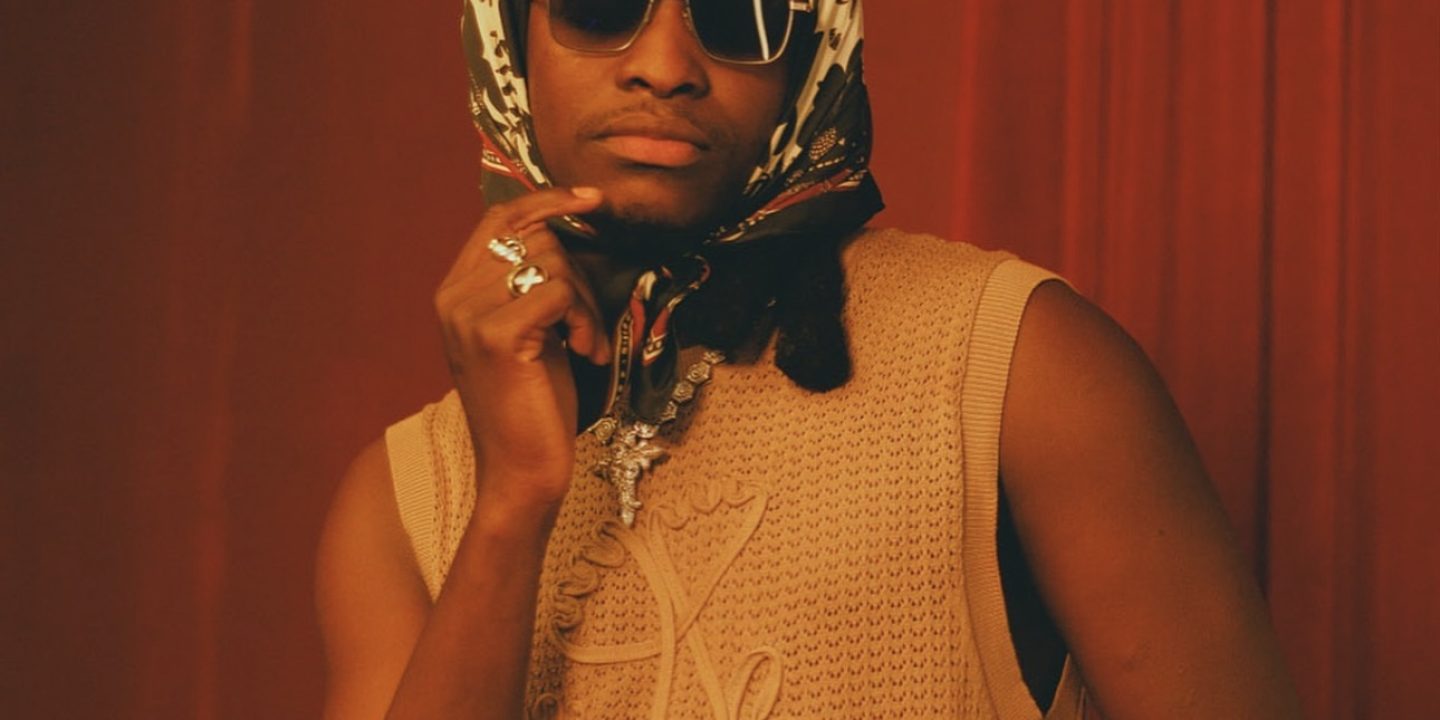
As the global music landscape continues to evolve, African music has emerged as a significant force, with artists like Burna Boy leading the charge. Born Damini Ebunoluwa Ogulu, Burna Boy has risen to international acclaim, blending Afrobeats, hip-hop, reggae, and R&B to create a unique sound that has captivated audiences worldwide. With a career spanning over a decade, Burna Boy has consistently pushed the boundaries of African music, experimenting with different styles and collaborating with artists from diverse genres.
Burna Boy's success is not limited to his music alone; he has also become a cultural icon, symbolizing the growing influence of African artistry on the global stage. His ability to blend traditional Nigerian sounds with modern production techniques has helped to popularize Afrobeats, paving the way for other African artists to break into the international market. As the music industry continues to grapple with issues of ownership and representation, Burna Boy's rise to fame serves as a testament to the power of African creativity and the need for more nuanced and inclusive approaches to music production and distribution. With his innovative style and unwavering commitment to his craft, Burna Boy is redefining the music industry and inspiring a new generation of artists to take control of their own narratives.
Burna Boy: The cultural debate and its stakes
The rise of African music on the global stage has sparked a cultural debate about the ownership and control of this emerging industry. At the forefront of this conversation is Burna Boy, a Nigerian artist who has achieved unparalleled success, winning numerous awards, including the Grammy Award for Best Global Music Album. His music, a unique blend of Afrobeats, hip-hop, and R&B, has resonated with audiences worldwide, making him a cultural icon and a symbol of African artistic excellence. However, as African music gains more recognition and commercial success, questions arise about who benefits from this growth and how the industry can be structured to ensure that African artists and creators retain control over their work.
Burna Boy's success has been hailed as a breakthrough for African music, paving the way for other artists to gain international recognition. His album "African Giant" was a critical and commercial success, debuting at number 16 on the US Billboard 200 chart and winning the Grammy Award for Best World Music Album. This achievement has been seen as a testament to the growing influence of African music and the potential for African artists to compete on the global stage. However, it also raises questions about the role of international record labels and industry executives in shaping the careers of African artists. As African music becomes more mainstream, there is a risk that the industry will be controlled by external forces, with African artists and creators being relegated to secondary roles.
The cultural significance of Burna Boy's music extends beyond his commercial success. His songs often address themes of identity, culture, and social justice, resonating with audiences in Africa and beyond. His music has been praised for its unique blend of traditional African rhythms and modern production techniques, making him a leading figure in the Afrobeats genre. However, the success of African music also raises questions about cultural appropriation and the exploitation of African artistic expression. As African music becomes more popular, there is a risk that it will be co-opted by external forces, with African artists and creators being denied the opportunity to control their own narrative and reap the benefits of their success.
The debate surrounding Burna Boy and the African music industry is complex and multifaceted, involving issues of ownership, control, and cultural representation. On one hand, the success of African music on the global stage is a testament to the talent and creativity of African artists and the growing demand for diverse musical expressions. On the other hand, there is a risk that the industry will be controlled by external forces, with African artists and creators being denied the opportunity to shape their own destiny and reap the benefits of their success. As the industry continues to evolve, it is essential to consider the stakes of this debate and the potential consequences for African artists, creators, and the broader cultural landscape. The future of African music depends on the ability of African artists and creators to retain control over their work and shape the narrative of their own success.
Burna Boy: The economics behind the creative work
The economic dynamics of Burna Boy's creative work are intricately tied to the global music industry's evolving landscape. As a leading figure in Afrobeats, Burna Boy has successfully navigated the complexities of international collaborations, record deals, and touring schedules, all while maintaining a strong connection to his Nigerian roots. His ability to blend traditional Afrobeat rhythms with modern hip-hop and R&B influences has yielded a unique sound that resonates with diverse audiences worldwide. This sonic fusion has not only garnered critical acclaim but also generated significant revenue streams through album sales, streaming, and live performances. Moreover, Burna Boy's entrepreneurial spirit is evident in his ownership of Spaceship Entertainment, a record label that has enabled him to produce and release music on his own terms, thereby maintaining creative control and maximizing profits.
Burna Boy's economic impact extends beyond his individual success, as he has played a pivotal role in promoting African music globally. His collaborations with international artists, such as Shakira and Justin Bieber, have introduced Afrobeats to new audiences, fostering a growing interest in the genre. This increased visibility has created opportunities for other African artists to break into the global market, contributing to the continent's burgeoning music industry. Furthermore, Burna Boy's success has highlighted the importance of intellectual property rights and royalty management in the music industry. As African artists gain greater recognition, it is essential that they are aware of their rights and negotiate fair deals to ensure they receive adequate compensation for their work. By doing so, they can maintain control over their creative output and reap the financial benefits of their labor.
The financial aspects of Burna Boy's career are also closely tied to his cultural significance. As a cultural icon, he has leveraged his influence to promote African culture and challenge societal norms. His music often addresses themes of identity, culture, and social justice, resonating with listeners who appreciate his authenticity and willingness to speak truth to power. This cultural relevance has enabled Burna Boy to build a loyal fan base, which has translated into significant revenue streams through merchandise sales, touring, and brand endorsements. Moreover, his cultural impact has extended beyond the music industry, with his style and swagger inspiring a new generation of African youth. As a result, Burna Boy has become a coveted brand ambassador, partnering with major brands to promote their products and services to a rapidly growing African consumer market.
The long-term sustainability of Burna Boy's economic model relies on his ability to adapt to the ever-changing music industry landscape. As streaming platforms continue to dominate the market, artists must be savvy about navigating these platforms to maximize their revenue. Burna Boy has already demonstrated his ability to thrive in this environment, with his music garnering millions of streams on platforms like Spotify and Apple Music. Additionally, his entrepreneurial spirit and willingness to experiment with new sounds and collaborations will be crucial in maintaining his relevance and appeal to a diverse audience. By continuing to push the boundaries of Afrobeats and African music, Burna Boy can ensure his economic success while also promoting the rich cultural heritage of the continent, ultimately paving the way for a brighter future for African artists and the music industry as a whole.
Burna Boy: Ownership, access and the gatekeepers
Burna Boy's success in the global music industry has highlighted the importance of ownership and access in the African music scene. As a leading figure in Afrobeats, he has been able to navigate the complexities of the industry and achieve international recognition, but his journey also underscores the challenges that many African artists face in terms of ownership and control. The fact that Burna Boy has been able to maintain creative control and ownership of his music is a significant factor in his success, and it has allowed him to stay true to his artistic vision while also achieving commercial success. However, this is not always the case for African artists, who often face pressure from record labels and industry executives to compromise their artistic vision in order to appeal to a broader audience.
The issue of ownership and access is closely tied to the role of gatekeepers in the music industry. Gatekeepers, such as record labels, industry executives, and media outlets, play a significant role in determining which artists are able to achieve success and which are not. In the African music scene, gatekeepers often have a disproportionate amount of power and influence, and they can make it difficult for artists to achieve success without compromising their artistic vision. Burna Boy's ability to navigate this system and achieve success on his own terms is a testament to his talent and perseverance, but it also highlights the need for greater transparency and accountability in the music industry. By supporting African artists and promoting greater ownership and control, we can help to create a more equitable and sustainable music industry that benefits both artists and fans.
The impact of gatekeepers on the African music scene can be seen in the way that they often prioritize commercial success over artistic merit. This can lead to a homogenization of sound, as artists are pressured to conform to certain styles or genres in order to appeal to a broader audience. Burna Boy's music, on the other hand, is a testament to the diversity and richness of African culture, and it has helped to promote a more nuanced understanding of the continent and its people. By supporting artists like Burna Boy, who are committed to creating music that is true to their artistic vision, we can help to promote a more vibrant and diverse music industry that reflects the complexity and richness of African culture. This, in turn, can help to create a more sustainable and equitable music industry that benefits both artists and fans.
The need for greater ownership and control in the African music scene is closely tied to the issue of cultural appropriation and exploitation. As African music gains popularity around the world, there is a risk that it will be co-opted and exploited by external forces, without proper credit or compensation being given to the artists and communities that created it. Burna Boy's success has helped to raise awareness about the importance of cultural ownership and control, and it has highlighted the need for greater transparency and accountability in the music industry. By promoting greater ownership and control, we can help to ensure that African artists are able to benefit from their own creative work, and that they are able to maintain control over their artistic vision and cultural heritage. This, in turn, can help to create a more sustainable and equitable music industry that reflects the complexity and richness of African culture.
Burna Boy: What younger audiences and creators can change
As the African music industry continues to grow and gain recognition globally, it is essential for younger audiences and creators to be aware of the cultural and economic dynamics at play. Burna Boy's success has paved the way for other African artists to break into the international scene, but it also raises important questions about ownership, control, and cultural appropriation. Younger audiences and creators can play a crucial role in shaping the future of the industry by being mindful of these issues and working towards creating a more equitable and sustainable model. This can involve supporting African artists and labels, promoting cultural exchange and collaboration, and advocating for greater ownership and control over African music and culture.
One way that younger audiences and creators can make a positive impact is by promoting and supporting African artists and labels. This can involve streaming and purchasing music from African artists, attending their concerts and festivals, and sharing their work on social media. By doing so, they can help to create a more level playing field and provide opportunities for African artists to gain recognition and success. Additionally, younger audiences and creators can also work towards promoting cultural exchange and collaboration between African and international artists. This can involve collaborating on music projects, participating in cultural festivals and events, and engaging in dialogue and discussion about the importance of cultural diversity and exchange.
Younger audiences and creators can also play a crucial role in advocating for greater ownership and control over African music and culture. This can involve supporting initiatives and organizations that work towards promoting African music and culture, and advocating for policies and practices that prioritize African ownership and control. For example, they can support African-owned record labels and music streaming platforms, and advocate for greater representation and inclusion of African artists and industry professionals in the global music industry. By doing so, they can help to create a more equitable and sustainable model for the African music industry, one that prioritizes African ownership and control and promotes cultural diversity and exchange.
The impact of younger audiences and creators on the African music industry cannot be overstated. As the industry continues to evolve and grow, it is essential that they are aware of the cultural and economic dynamics at play and work towards creating a more equitable and sustainable model. By promoting and supporting African artists and labels, advocating for greater ownership and control, and promoting cultural exchange and collaboration, younger audiences and creators can play a crucial role in shaping the future of the industry. Ultimately, the success of the African music industry will depend on the ability of younger audiences and creators to work together towards creating a more inclusive and sustainable model, one that prioritizes African ownership and control and promotes cultural diversity and exchange.
Burna Boy: A practical path toward a stronger industry
The African music industry, as exemplified by Burna Boy's success, requires a multifaceted approach to ensure its long-term sustainability and growth. One crucial aspect is the development of robust ownership strategies that prioritize African artists' and creators' interests. This can be achieved through initiatives such as artist-owned record labels, music publishing companies, and distribution platforms. By controlling the means of production and distribution, African artists can maintain creative autonomy, retain a larger share of the revenue generated by their work, and make more informed decisions about their careers. Furthermore, these ownership structures can provide a foundation for the industry's growth, allowing African music to flourish without being beholden to external interests.
Another vital component of a stronger African music industry is the creation of more equitable partnerships between African artists and international industry stakeholders. This can involve collaborations with global record labels, publishers, and distributors that prioritize mutual benefit and respect for African artists' rights. Such partnerships can provide African artists with access to greater resources, expertise, and global networks, while also ensuring that they maintain control over their work and receive fair compensation. Additionally, these partnerships can help to promote African music globally, increasing its visibility and appeal to new audiences. By fostering more equitable and collaborative relationships, the African music industry can navigate the complexities of the global market while preserving its unique cultural identity.
The role of technology in shaping the African music industry cannot be overstated. Digital platforms, such as streaming services and social media, have revolutionized the way music is consumed and promoted. African artists can leverage these platforms to reach global audiences, build their brands, and connect with fans directly. Moreover, technology can facilitate more efficient and transparent royalty payment systems, ensuring that African artists receive fair compensation for their work. However, it is essential to address the issue of digital exploitation, where African artists' music is often undervalued and underpaid on global streaming platforms. By advocating for more equitable royalty rates and greater transparency in the digital music economy, African artists and industry stakeholders can work towards a more sustainable and fair system.
Ultimately, the future of the African music industry depends on its ability to adapt to changing global trends while remaining true to its cultural heritage. By prioritizing ownership, equitable partnerships, and technological innovation, African artists and industry stakeholders can build a more resilient and sustainable industry. This requires a collective effort, involving artists, labels, publishers, distributors, and fans, to promote and celebrate African music in all its diversity. As the industry continues to evolve, it is essential to recognize the value and significance of African music, not only as a cultural expression but also as a vital component of the global music landscape. By working together to address the challenges and opportunities facing the industry, African music can thrive, inspiring new generations of artists, creators, and fans alike.